What to Expect
You’ll probably be nervous — we get it! But please try not to worry. The emphasis at our events is on relaxing into the trial so that you can perform to the best of your ability.
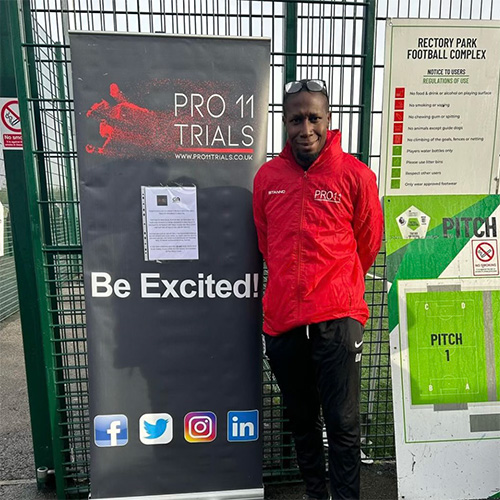
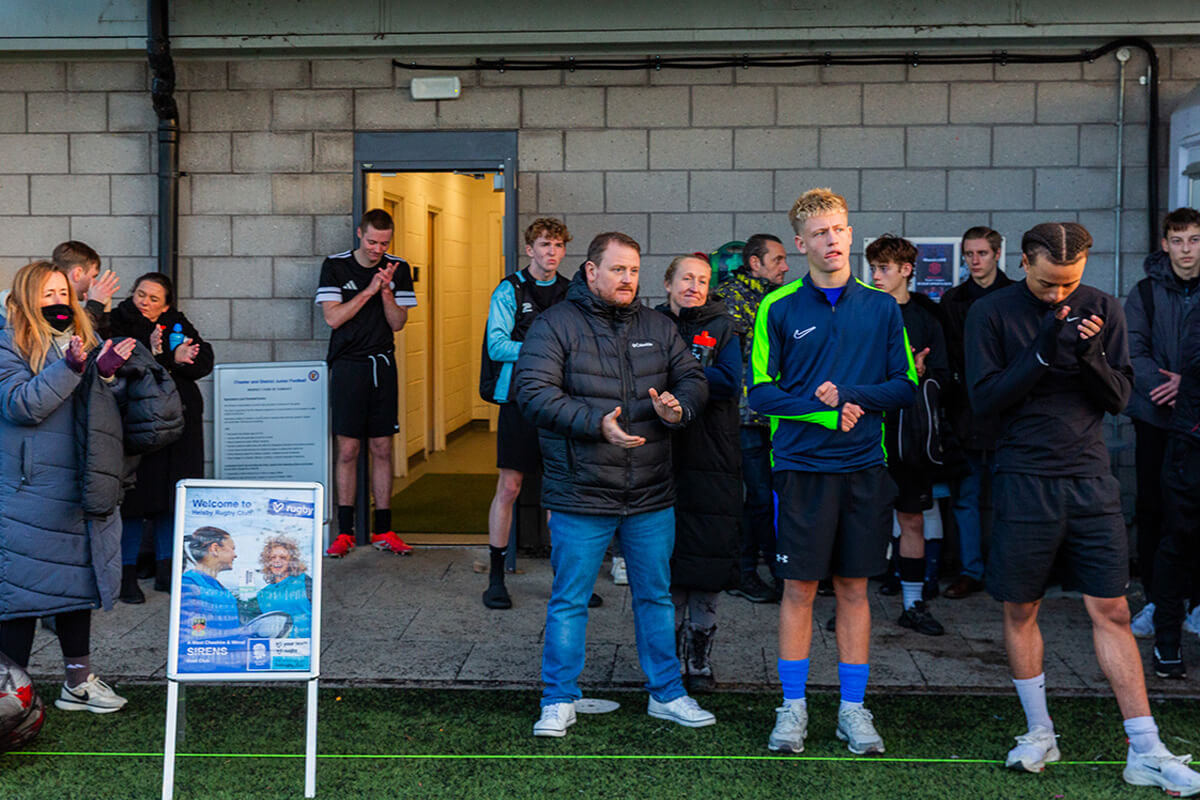
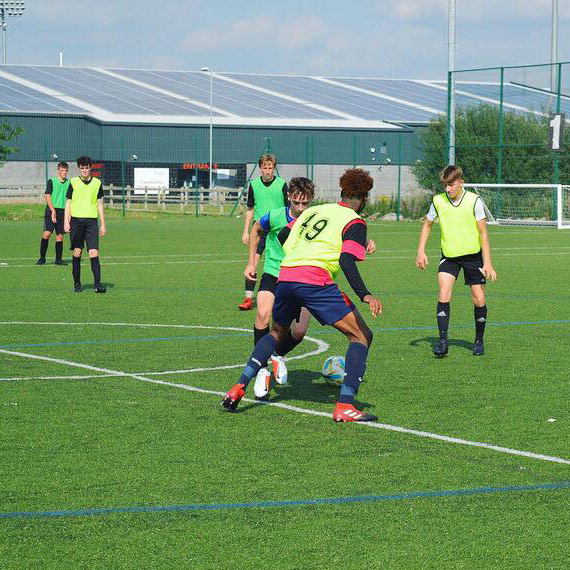
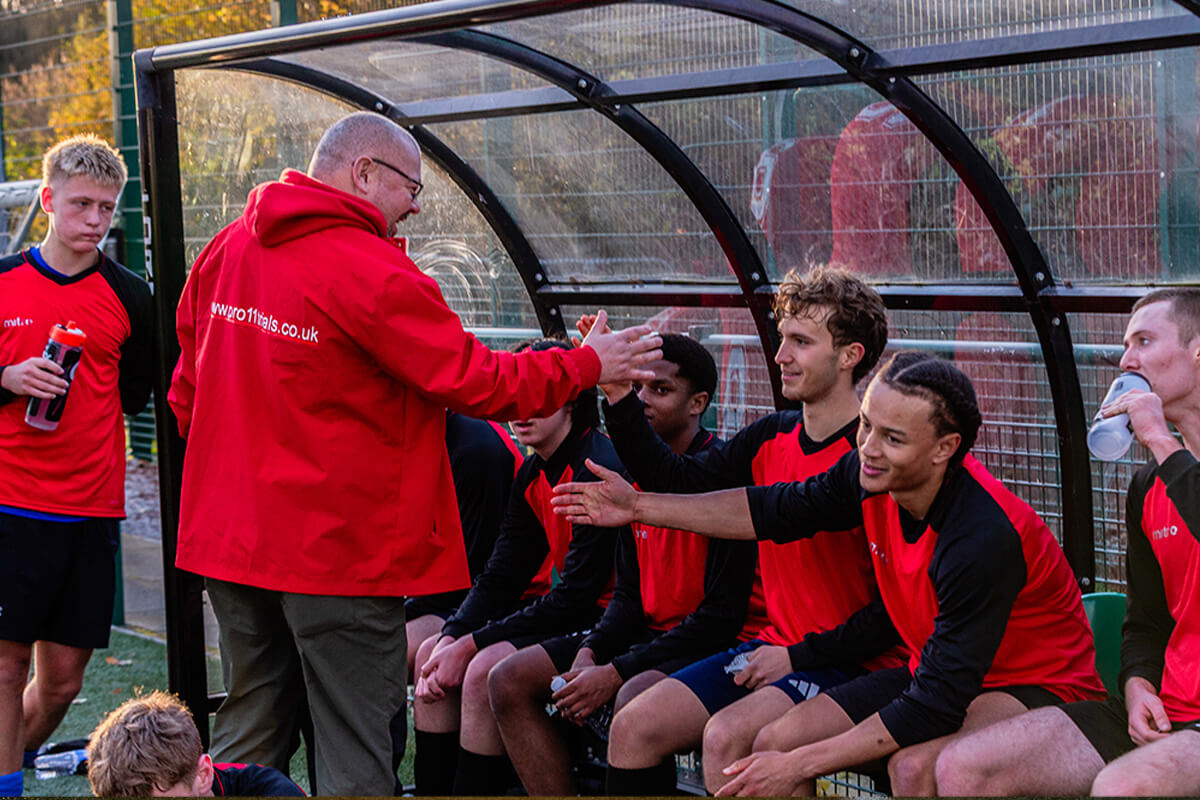
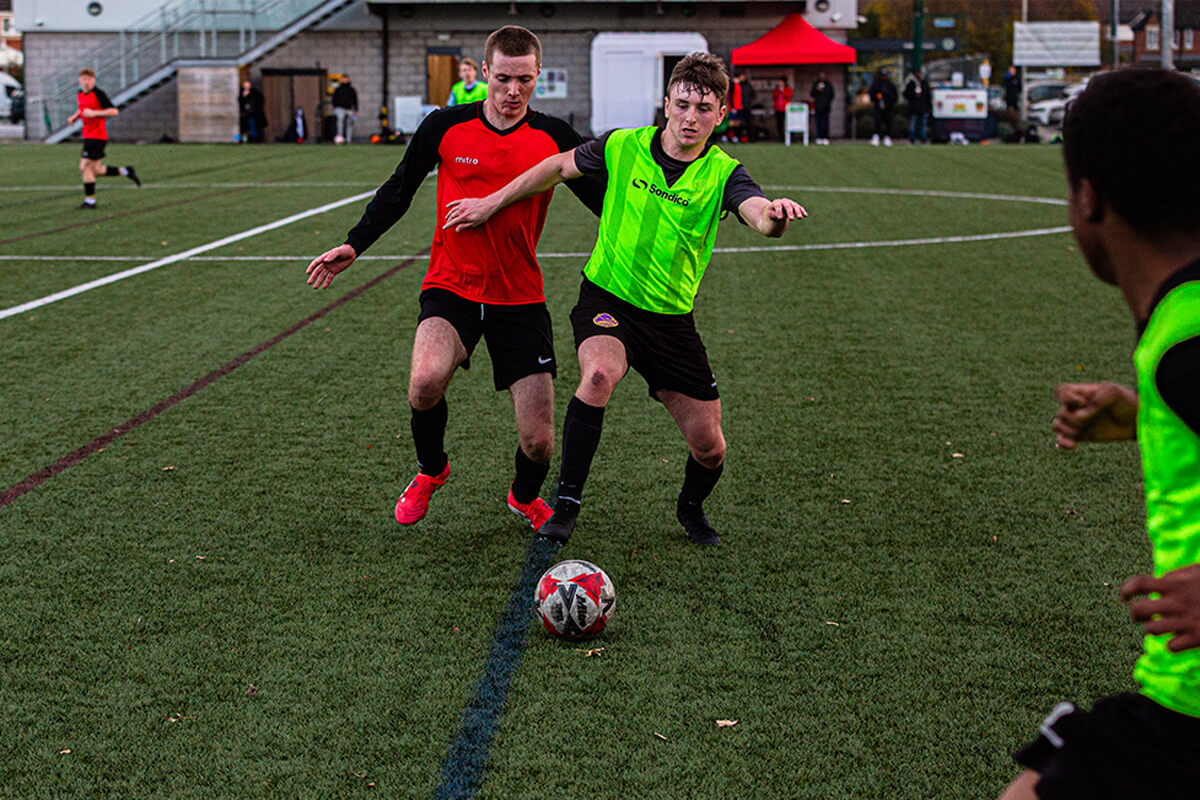
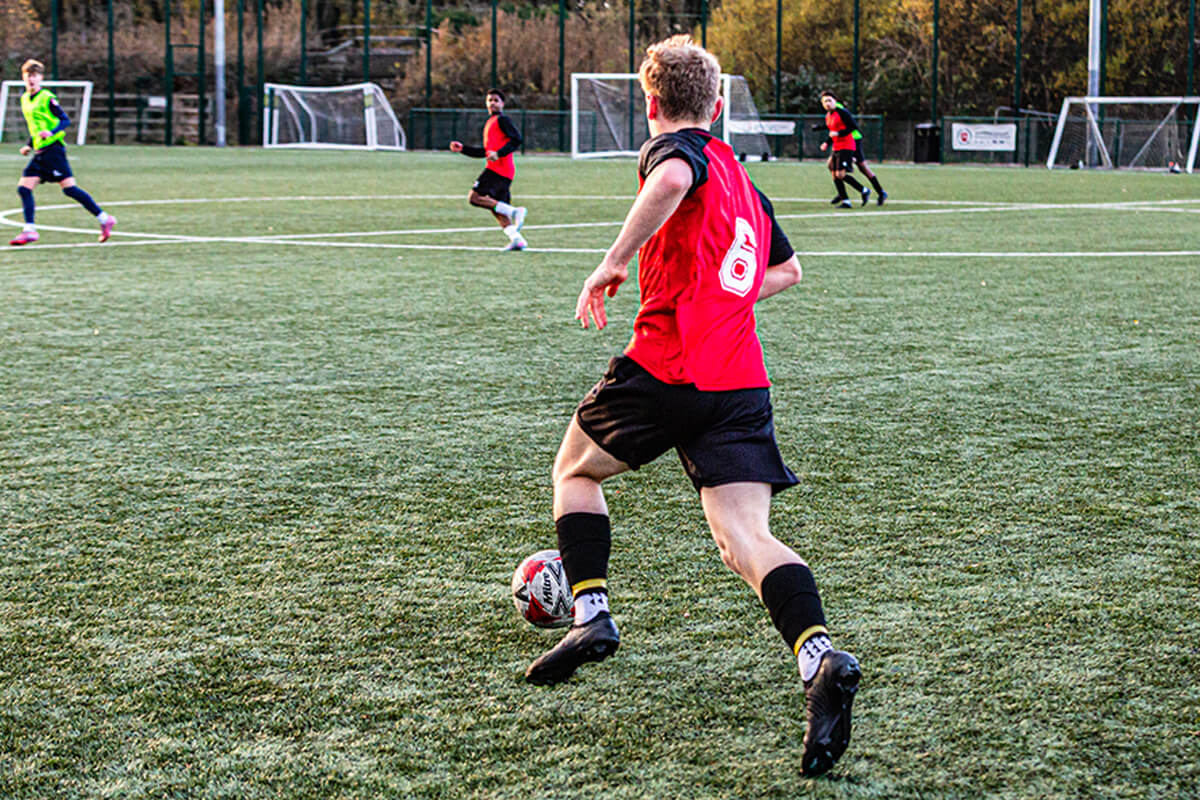
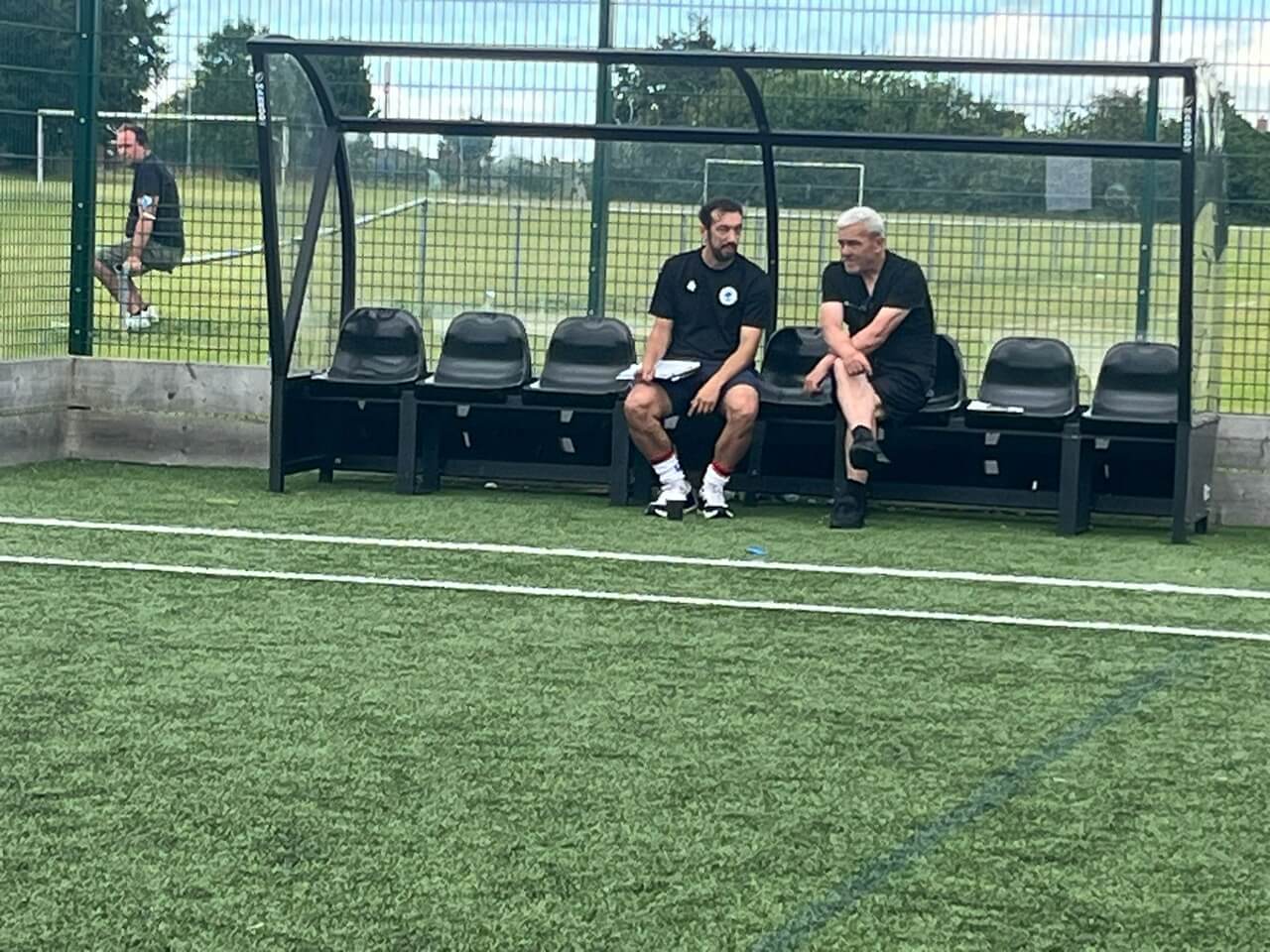
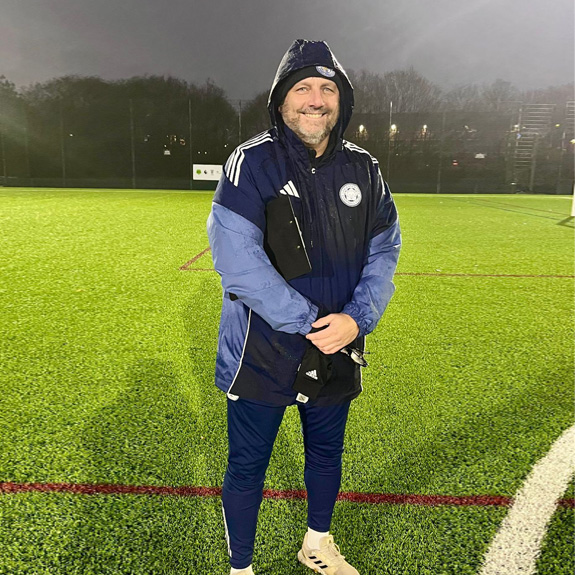
Typical schedule for the trial:
- Greeted at the venue by Pro11 staff, who will register your attendance and issue you with an individually numbered bib.
- Group welcome briefing to parents and players on what to expect on the day, then separated into age-appropriate groups.
- Warm-up, then around 45–50 minutes of age-appropriate academy-level drills (separate sections for outfield players and goalkeepers). Then a match!
- Cool-down followed by a group parent/player debrief and notification of any club interest, plus the opportunity to get individual feedback from our coaches.
During the event, there are regular water/comfort breaks, but you’ll be on the pitch for around 2 hours, and the whole event lasts around 3 hours.
After the event, please keep us posted on your progress or contact us with any questions or feedback — we’re always happy to hear from you!
What scouts look for?
The straightforward response is that there is no magical formula or precise science. Scouts assess a blend of technical skills, physical characteristics, tactical comprehension, and mentality – not merely raw talent.
Their focus may shift – for example, in younger players, as scouts may prioritise technical and physical skills. But as players mature, the significance of tactical understanding, psychological factors, and teamwork increases.
They also need to factor in specific criteria set by their club, such as focus on a particular playing position to strengthen an existing squad.
Most clubs and academies adhere to the FA’s Four Corner Model, and to illustrate, we have outlined some examples of the core areas and scout assessment criteria.
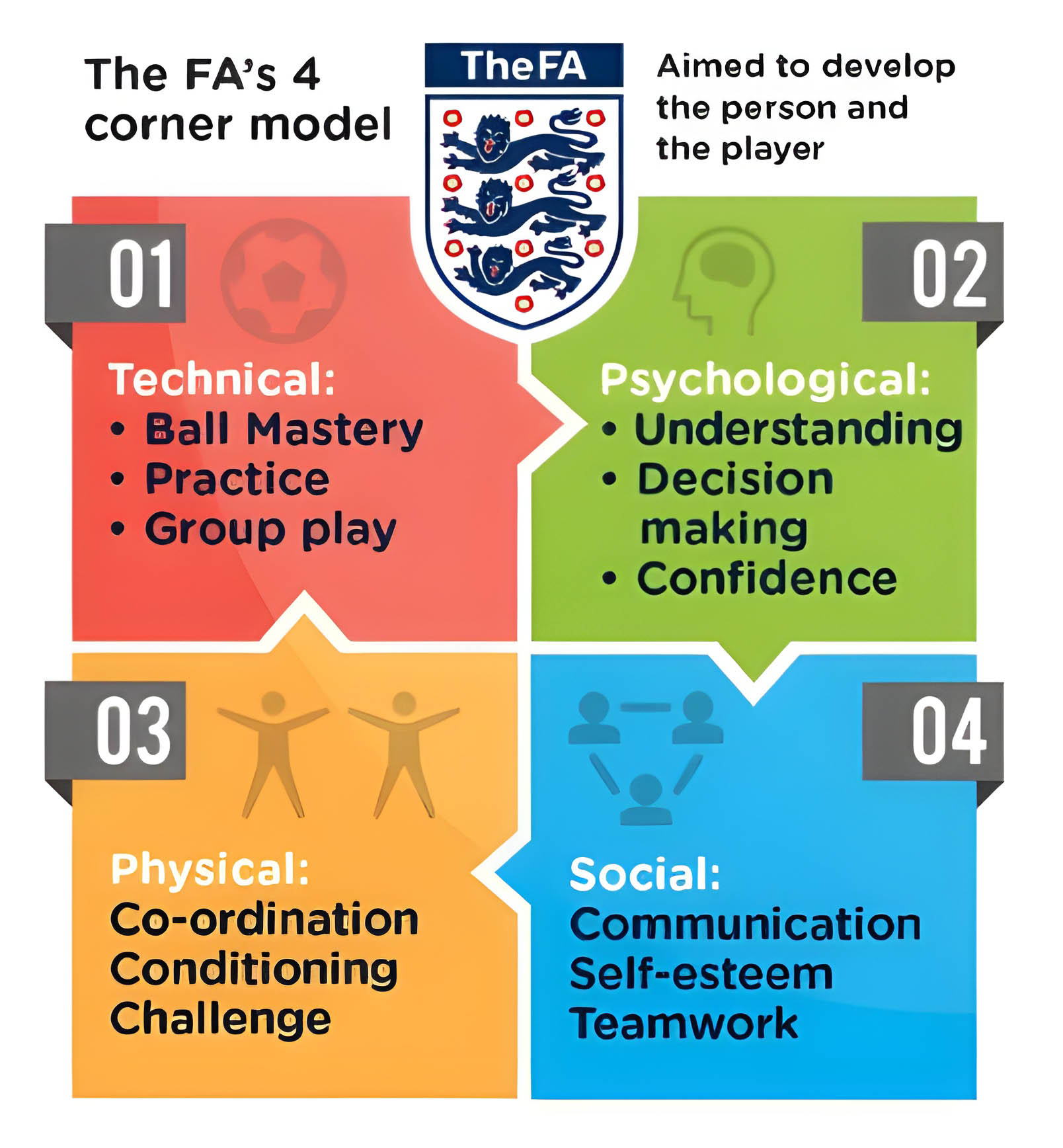
1. Technical Ability
Non-negotiable at higher levels:
- Ball control & first touch
- Passing quality (accuracy, weight, variety)
- Dribbling (1v1 ability, close control)
- Shooting/finishing (technique, composure)
- Defensive technique (tackling, interceptions)
- Weak foot ability
Scouts frequently observe how skills are applied under pressure—not in isolation.
2. Tactical Intelligence
This often distinguishes good players from elite athletes:
- Positioning (on and off the ball)
- Decision-making speed
- Game awareness (scanning, anticipation)
- Understanding of team shape
- Adaptability to different systems
A player who can make the correct decision swiftly is highly regarded.
3. Physical Attributes
Evaluated relative to the player's age and position:
- Speed & acceleration
- Agility & balance
- Strength (especially in duels)
- Endurance/work rate
Scouts seek physical potential, not merely current dominance—particularly in youth players.
4. Psychological & Behavioural Signals
Scouts take note of:
- Body language
- Communication with teammates
- Leadership tendencies
- Emotional control
- Willingness to persevere when the game becomes challenging
5. Mentality & Character
This is critical and often overlooked:
- Confidence without arrogance
- Work ethic
- Consistency
- Resilience after mistakes
- Competitiveness
How a player reacts after losing the ball can matter more than what they do with it.
6. Final Notes
Whilst the above list is not exhaustive, we hope this can provide some insight into some of the scouting assessment criteria.
Please note that scouts can also only assess on what they see on the day, rather than how a player plays week in week out at their team, or can play in the right conditions.